Top 7 Best Places to Sell Your Crochet Projects (and Actually Make Money!)

If you’re pouring love into your crochet creations, it’s time to turn that passion into profit. Whether you’re making cozy beanies, baby blankets, or trendy handmade accessories, knowing where to sell crochet items online can make all the difference.
In this guide, I’m breaking down the top 7 platforms to sell crochet projects, plus tips to maximize your sales and traffic.
1. Etsy – The Go-To for Handmade Sellers
If you’re serious about selling crochet, Etsy is one of the best places to start.
Why it works:
Huge audience searching for handmade crochet items
Built-in trust for buyers
Great for niche products like “crochet newborn hats” or “boho crochet bags”
SEO tip:
Use keywords like:
“handmade crochet beanie”
“chunky crochet blanket”
“crochet baby shower gift”
2. Amazon Handmade – Massive Traffic Potential
Selling on Amazon Handmade gives you access to millions of shoppers.
Why it works:
High buyer intent
Prime shipping = more conversions
Great for scaling
3. Facebook Marketplace + Facebook Groups

This is one of the most underrated ways to sell crochet items locally.
Why it works:
No fees
Local buyers = quick sales
Great for bulk items like blankets or seasonal hats
Pro tip:
Join local groups and post:
“Handmade crochet beanies – perfect for Wisconsin winters ❄️”
4. Pinterest – Traffic Goldmine

Pinterest isn’t just for inspiration—it’s a powerful selling tool.
Why it works:
Drives traffic to your shop or blog
Pins can go viral months later
Perfect for aesthetic crochet content
Pin ideas:
“Easy Crochet Gift Ideas”
“Best Selling Crochet Items 2026”
“Cozy Handmade Winter Hats”
5. Instagram – Build a Brand + Loyal Buyers

Instagram is perfect for storytelling and building a lifestyle brand around crochet + wellness (which fits your vibe beautifully).
Why it works:
Visual platform = perfect for crochet
Reels can go viral
Great for connecting with your audience
Content ideas:
“Crochet with me” relaxing videos
Before/after yarn transformations
Cozy lifestyle + handmade moments
6. Shopify – Build Your Own Store
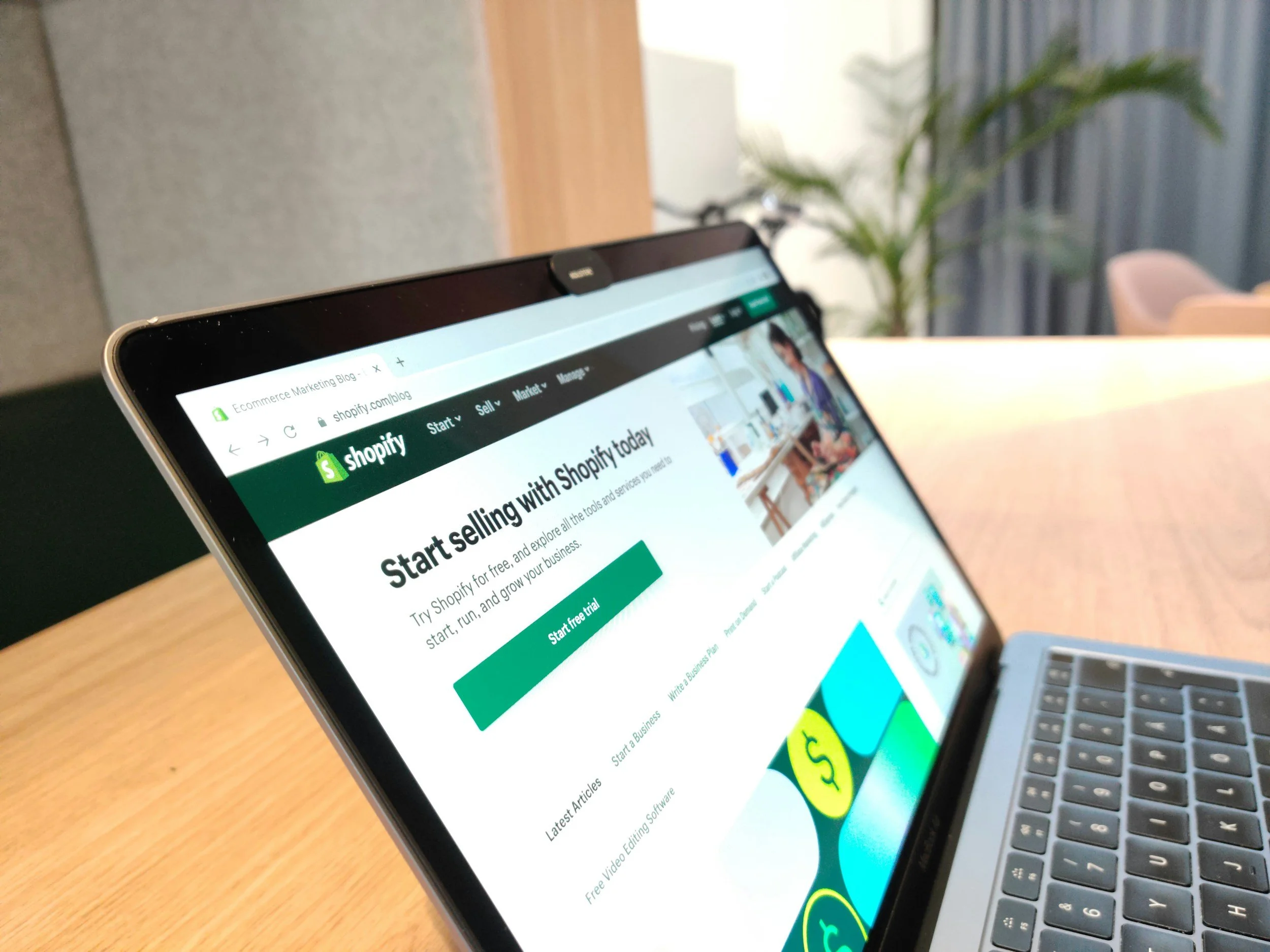
If you want full control and higher profits, Shopify is a great option.
Why it works:
No marketplace competition
Build your own brand
Connect directly to Pinterest + Instagram
SEO tip:
Write blog posts like:
“Best Crochet Baby Gifts”
“How to Style Crochet Accessories”
(These bring in traffic AND affiliate income 👇)
7. eBay – Great for Quick Sales
eBay is ideal if you want to:
Test products quickly
Sell one-off pieces
Move inventory fast
Best sellers:
Seasonal crochet items
Unique handmade gifts
Discounted bundles
How to Maximize Your Crochet Income (Don’t Skip This )
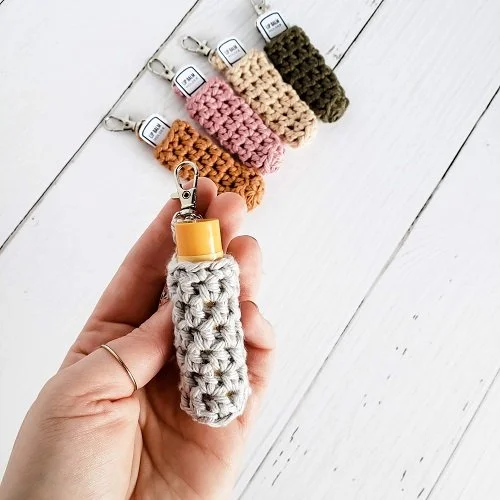
To really grow your income, combine selling + content + affiliate marketing:
1. Start a simple blog
Write posts like:
“Top 10 Crochet Gifts for Beginners”
“Best Yarn for Soft Baby Blankets”
2. Add Amazon affiliate links
Link your favorite:
Yarn brands
Crochet hooks
Storage tools
3. Drive traffic with Pinterest
Pin every blog post multiple times with different images.
Final Thoughts
If you want consistent income from crochet, don’t rely on just one platform.
Best combo for growth:
Etsy (sales)
Pinterest (traffic)
Blog + Amazon (passive income)
This creates multiple income streams—and that’s where things really start to scale.