What to Eat to Look Younger and Live Longer (According to a Stanford Scientist)
Inspired by The Mel Robbins Podcast, Episode 391 with Dr. Lucia Aronica
Have you ever looked at your family history and thought, this is just my destiny? Heart disease, weight gain, low energy — like it's all been decided for you before you even sit down to breakfast?
Friend, I have some genuinely exciting news.
According to Stanford epigenetics scientist Dr. Lucia Aronica, your genes are only 25% of your health story. That means you are writing the other 75% every single day — with every meal, every walk, every good night of sleep.
I recently listened to her conversation with Mel Robbins and I could not stop taking notes. This episode genuinely changed the way I look at food, and I had to share it with you.

What Is Epigenetics (And Why Should You Care)?
Epigenetics sounds complicated, but Dr. Aronica explains it in the most beautiful way. The Greek prefix epi means "on top of." So epigenetic marks are like tiny molecular switches that sit on top of your genes — turning them up or down like a volume knob on a stereo.
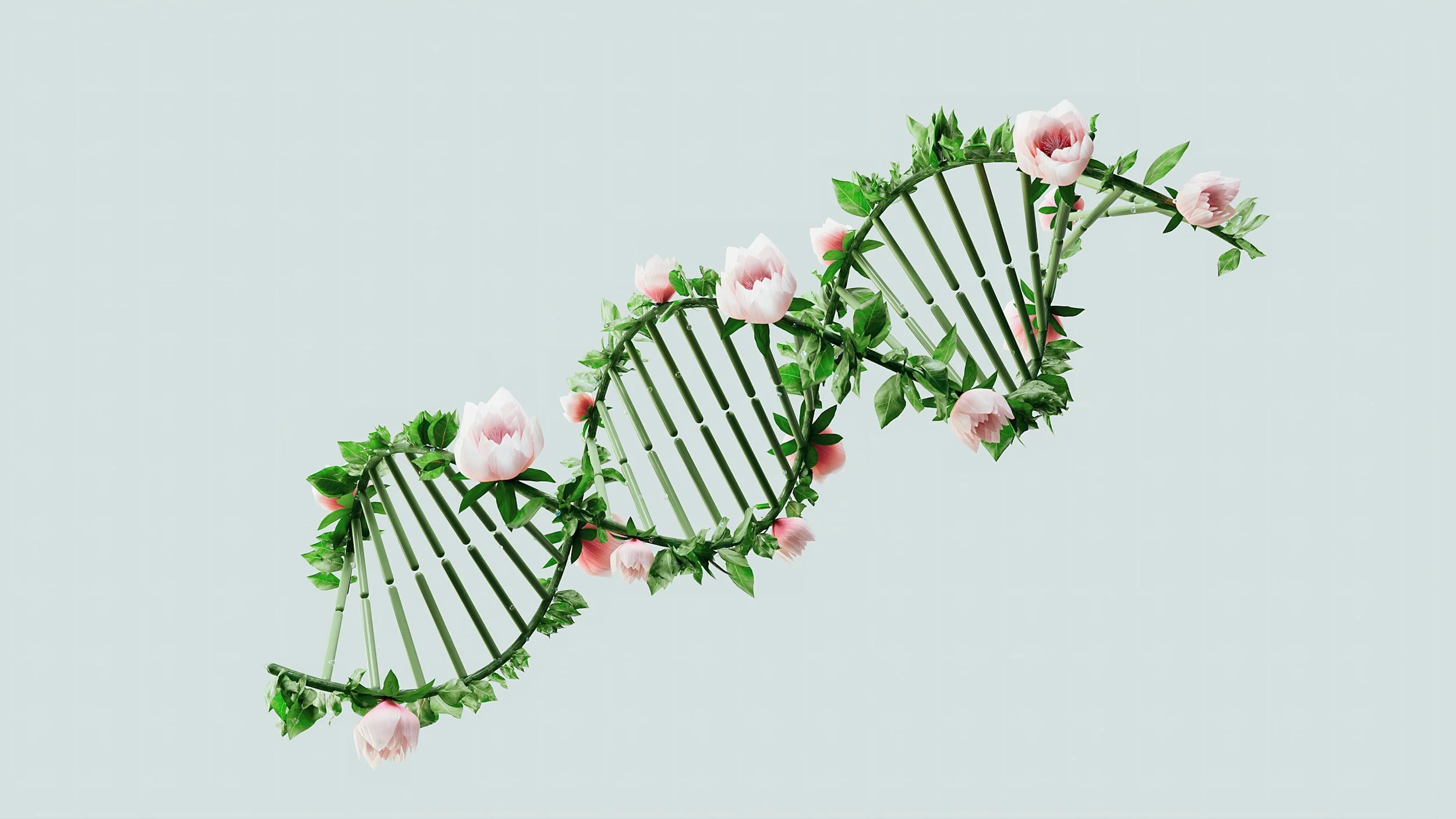
Here's the part that stopped me cold: most of these switches are written in pencil, not in pen.
Every day, your body has what Dr. Aronica calls "writer and eraser" enzymes that are constantly rewriting those instructions. And guess who controls those enzymes?
You do.

What you eat. How you move. How you sleep. How you manage stress. These are all sending signals to your genes, right now, today.
Food Isn't Fuel — It's Information
Dr. Aronica teaches a framework at Stanford called Epi Nutrition — essentially, how to eat in a way that improves your gene expression for a healthier, longer life.
The core idea: food isn't just fuel. It's the pencil that rewrites your genetic instructions.
She breaks epi nutrients down into two categories:
1. Methyl Donors (the "ink" for your genes) These are the structural building blocks your genes need to write healthy instructions. Key sources include:
Protein-rich foods (provide methionine)
Green leafy vegetables, liver, and legumes (folate)
Animal protein (B12)
Eggs and liver (choline — more on this in a minute!)
Beets, spinach, quinoa, and shellfish (betaine)
Without these, Dr. Aronica says your genes literally run out of ink.
2. Epi Bioactives (the signals) These are the colorful pigments and compounds in whole foods that tell your writer and eraser enzymes what to do. Think: the colorful fruits and veggies your doctor always tells you to eat — but now you know exactly why.
Eat the Rainbow (But Here's What Your Doctor Might Not Know)
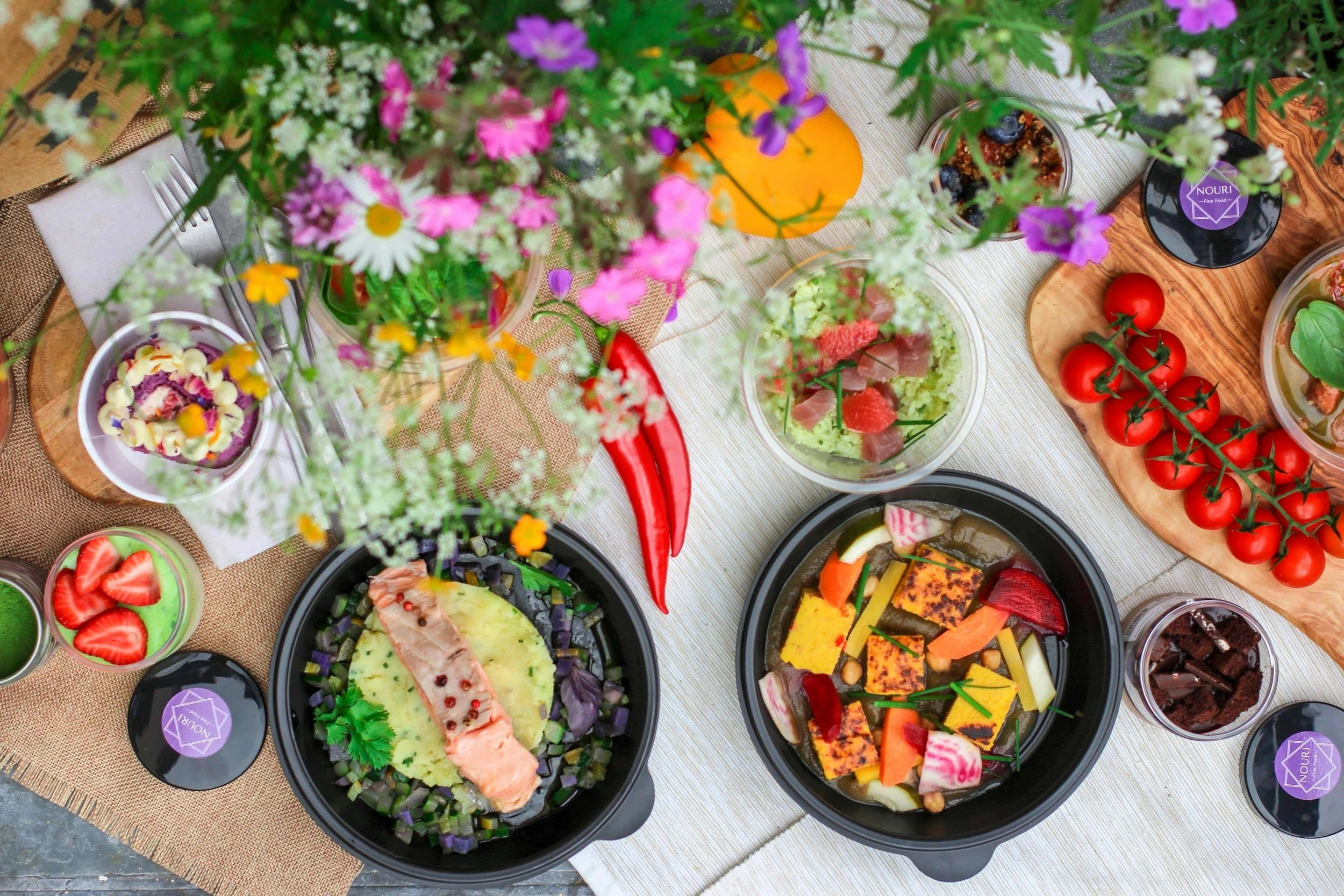
You've heard "eat the rainbow" a thousand times. But here's what makes it so much more exciting: each color sends a different signal to your DNA.
Red foods (tomatoes, red bell peppers) — contain lycopene, which supports cardiovascular health and even boosts your internal SPF by 40%. The trick? Cook tomatoes in olive oil. This dramatically increases your absorption of lycopene, and just three tablespoons of tomato paste with olive oil can get you to a therapeutic dose.
Orange foods (carrots, pumpkin) — contain carotenoids, a precursor to Vitamin A and a powerhouse for skin health.
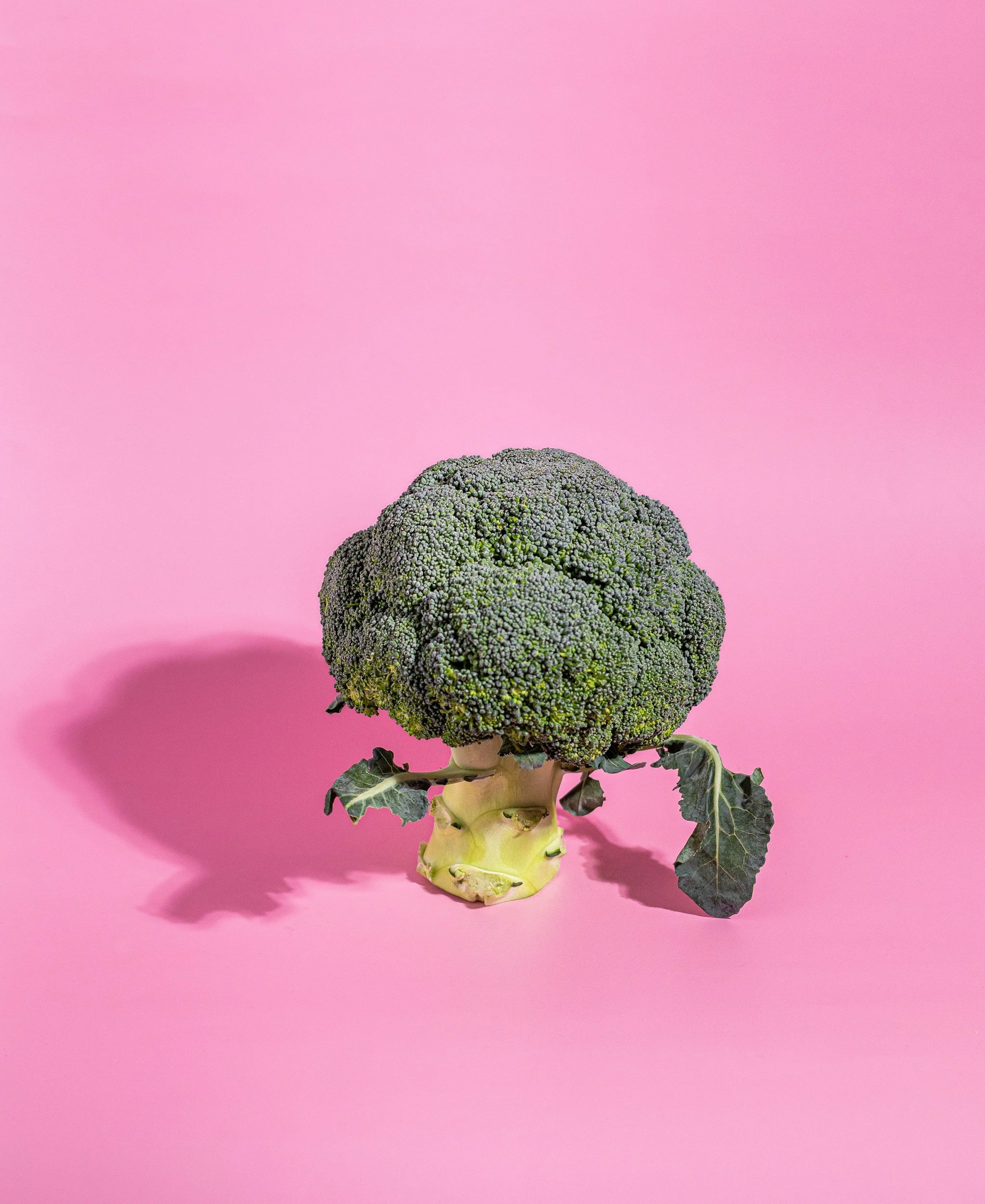
Green foods (broccoli, Brussels sprouts, kale, arugula) — contain sulforaphane, which Dr. Aronica calls "the boss of your body's own antioxidant army." It activates a master genetic switch that turns on more than 200 protective genes — and the effects last for up to three days.
Here's the broccoli hack that blew my mind: Chop your broccoli 40 minutes before you cook it. The chopping mimics chewing and triggers the chemical reaction that creates sulforaphane. If you use frozen broccoli (no shame!), add a teaspoon of mustard powder after cooking — the mustard reintroduces the enzyme that frozen broccoli loses during blanching.
Dark purple/blue foods (blackberries, blueberries) — contain anthocyanins with anti-inflammatory and cognitive benefits.
Garlic — crush it with the flat side of your knife and let it sit for five minutes before cooking. This allows the compound allicin to fully form. Then add it raw at the end of cooking, or sauté briefly in olive oil (not water!).
The Forgotten Nutrient 90% of Us Are Missing
Choline. Have you heard of it?
Dr. Aronica says 90% of people are deficient without even knowing it, and it affects your liver, your brain, and your genes. We need around 450–550mg per day — roughly the equivalent of four egg yolks.
Before you panic, here's her "Four Yolk Formula":
2 whole eggs
3 oz of salmon
A cup of cruciferous vegetables
Swap liver (if you hate it like she does!) for a tablespoon of sunflower lecithin powder — easy to add to a smoothie or sprinkle on a salad
💛 This is the exact type of product Dr. Aronica recommended for getting your choline without eating liver every day 😂 One tablespoon mixed into a smoothie or on top of a salad and you're on your way. I use NOW Foods Sunflower Lecithin Powder — it's soy-free, non-GMO, and so easy to work into your routine.
For mamas: during pregnancy, choline demand skyrockets. Research shows that higher choline intake during pregnancy is linked to better cognitive outcomes and lower anxiety in children — even seven years later.
The Egg Myth, the Chocolate Truth, and More
A few more things from this episode I couldn't keep to myself:
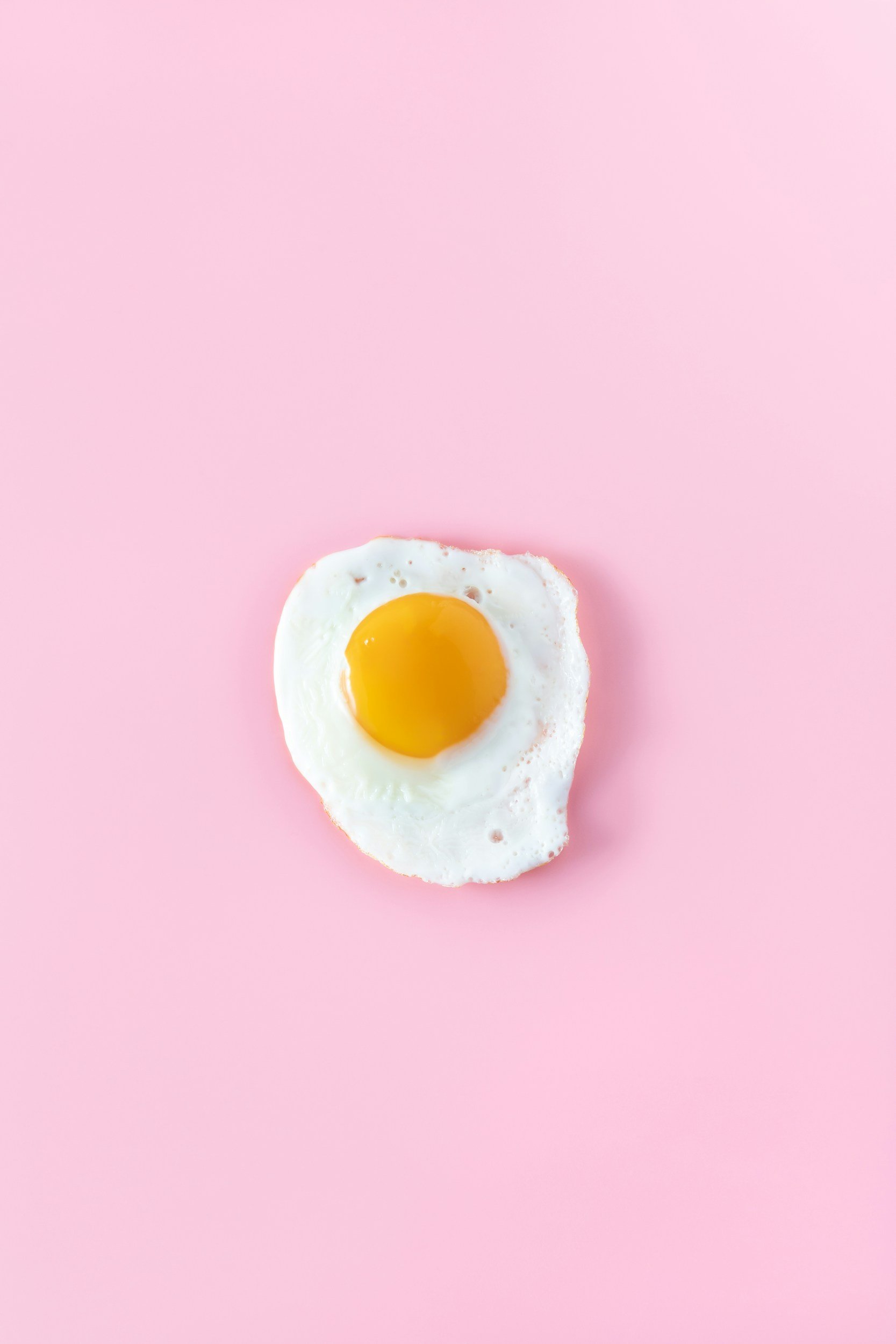
Eggs don't raise your cholesterol the way we thought. Your liver produces 80% of circulating cholesterol and naturally adjusts based on how much you eat. Only about 25% of people are "high responders." For the rest of us, eggs are a nutritional powerhouse we've been unnecessarily afraid of.
Dark chocolate can be epigenetic medicine — but most commercial chocolate is Dutch-processed, which destroys up to 90% of its beneficial flavanols. Look for non-Dutch-processed on the label, or try raw cacao powder or cacao beans for maximum benefit.
💛 If you want to start getting the flavanol benefits Dr. Aronica talks about, skip the Dutch-processed stuff and grab Navitas Organics Cacao Powder instead — it's non-alkalized, Fairtrade, and USDA Organic. I add a tablespoon to my morning smoothie and it's a game changer. And if you want to try the cacao bean route she mentioned? These Navitas cacao nibs are delicious lightly roasted in the oven — they totally scratch the chocolate craving without any junk.
Omega-3s from plants aren't enough. Chia seeds and walnuts contain ALA, a plant-based omega-3 that your body has to convert to the active forms EPA and DHA. That conversion rate is dramatically inefficient (as low as 0.5% in men). Fatty fish — salmon, sardines, mackerel, herring — three to four times a week is the goal.
💛 Since eating fatty fish 3–4x a week isn't always realistic for our family, I supplement with Nordic Naturals Ultimate Omega. It's the one dietitians keep recommending — wild-caught, third-party tested, and I can confirm there are no fishy burps!
Fermented foods are a gut game-changer. Yogurt, kimchi, sauerkraut, and kombucha don't just feed your existing gut bacteria — they actually seed your gut with new bacterial species and reduce inflammatory markers.
The Part That Made Me Tear Up a Little
Dr. Aronica shared that she got into this field because of two things: tradition and tragedy. She grew up in an Italian kitchen where food was always medicine — connection, pleasure, and nourishment woven together. And she lost her father at 14. As a dedicated physician, he always put his patients first. She decided to continue his legacy through science.
Her 84-year-old mother is her living proof that longevity isn't just biological — it's psychological and social. Her mom doesn't follow complicated protocols. She dresses elegantly, eats slowly, savors her food, and lives with joy and purpose.
That's the real message of this episode. You don't have to white-knuckle your way through a diet you hate. Pleasure isn't the enemy of health — it's your compass. Change requires consistency, and you can't be consistent with something you hate.
What Changes Can You Expect?
Dr. Aronica says that in as little as 30 days of eating this way, you may start to notice:
More stable energy as blood glucose stabilizes
Better sleep and skin as inflammation decreases
Improved digestion as your microbiome adjusts
And over six months? Research from Stanford shows that fat cells can actually unlearn the epigenetic memory of weight gain — turning up fat-burning genes and turning down inflammatory ones.
💛 Dr. Aronica said bone broth provides about 10 grams of collagen per cup — and Kettle & Fire Beef Bone Broth is my go-to because it actually tastes good and I can keep it in my pantry. A warm mug in the evening = cozy and good for your genes. 🙌
Your Fork Is Your Pencil
The single takeaway Dr. Aronica wanted to leave with every listener:
Your genes aren't your fate. They're your opportunity.
You are not stuck. Not because of your family history, not because of your current health, not because of anything. Every meal is a chance to pick up that epigenetic pencil and write a healthier chapter.
And as she puts it — write with pleasure.
Have you listened to this episode yet? I'd love to know what resonated most with you. Drop it in the comments below!
Disclosure: This post contains affiliate links, which means I may earn a small commission if you click through and make a purchase — at no extra cost to you. I only share things I genuinely love!